La Passione secondo Matteo di Pichon a Versailles: un capolavoro maturato come un grande vino
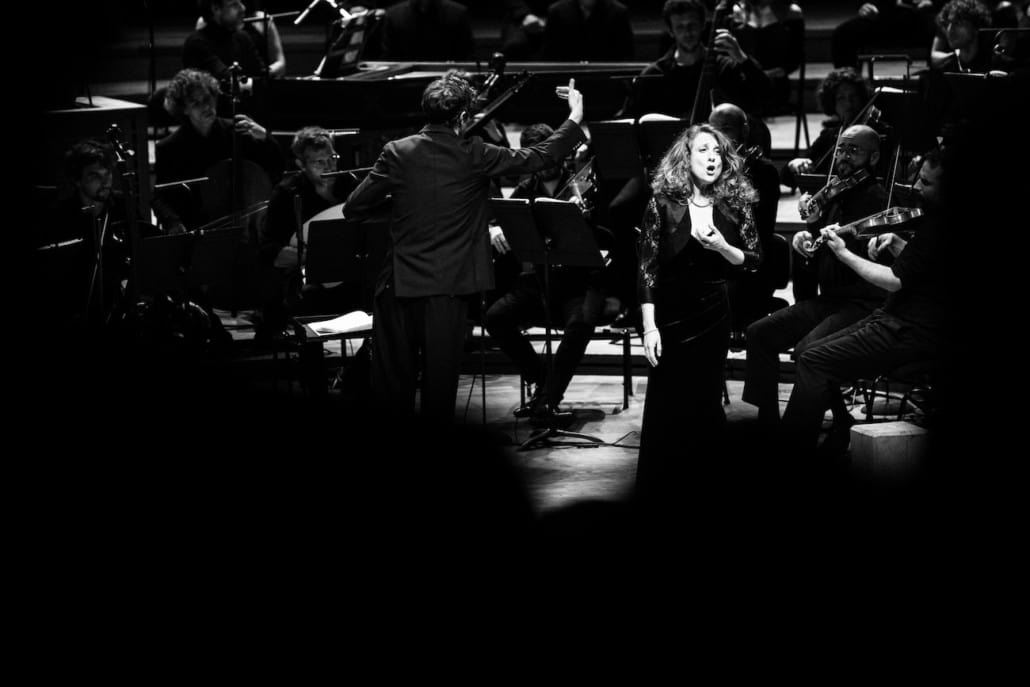
Tra le molte esecuzioni memorabili della Passione secondo Matteo di Bach ascoltate nell’arco di una vita di critica musicale, quella diretta da Raphaël Pichon con il suo ensemble Pygmalion nella sfarzosa Chapelle Royale di Versailles si colloca senz’altro tra le migliori.
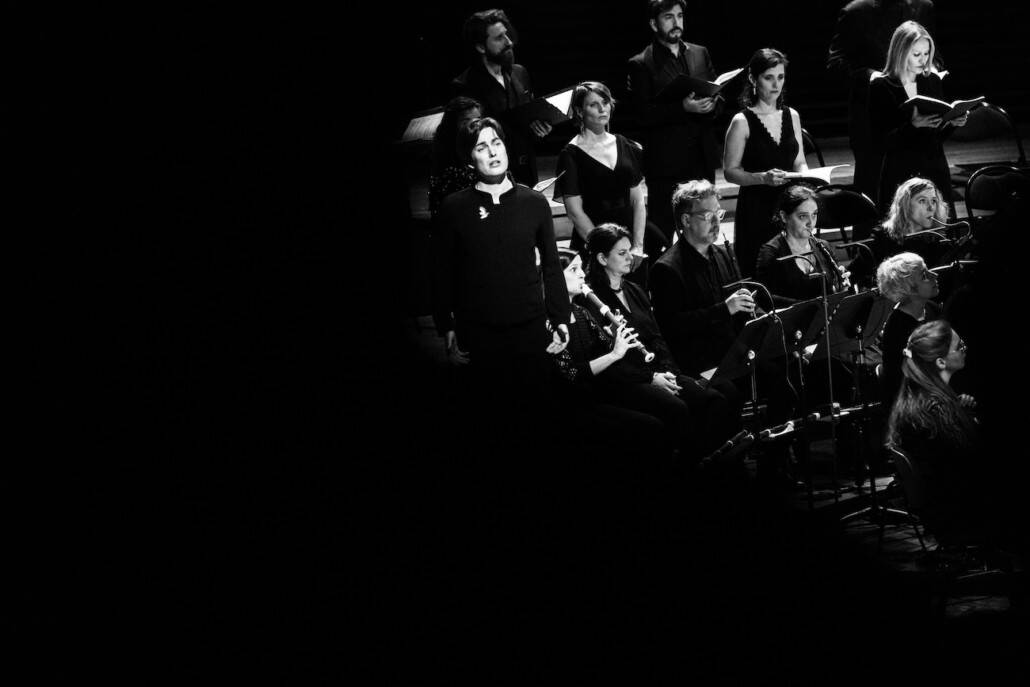
Pichon ha diretto per la prima volta questa partitura nel 2016, e da allora ne ha realizzato un’incisione pluripremiata. La tappa versagliese si inserisce in una tournée europea, eppure non v’è traccia di stanchezza esecutiva: piuttosto, un’interpretazione che ha guadagnato in profondità senza perdere nulla della sua tavolozza di colori e sfumature. Pichon indossa quest’opera come una veste di seta. Fin dal Kommt ihr Töchter, helft mir klagen d’apertura, con le sue terzine nitidamente scandite, accentate sulla prima nota e leggermente staccate sulle due seguenti, serio senza mai appesantirsi, il dramma si rivela innanzitutto umano. I due cori rinunciano alla solennità di maniera in favore di agilità e prossimità, intrecciando le voci in un lamento che suona insieme estatico e terreno.
La scelta dell’Evangelista è, come sempre, decisiva per l’esito complessivo. In Julian Prégardien, Pichon trova un narratore dall’innocenza quasi infantile. La sua presenza musicale e la capacità di trasformare il recitativo in parola viva fanno della storia della Passione un oceano di emozioni mutevoli, un monologo interiore su colpa, consolazione e possibilità di redenzione. Il costante contatto visivo con il Cristo di Stéphane Degout testimoniava un’intesa istintiva tra i due interpreti.
Nel dipanarsi delle venticinque scene, i momenti di grazia non sono mancati. Degout ha portato adrenalina e un baritono cupamente brunito, color mogano, a un Mache dich, mein Herze, rein rapido e quasi danzante, bilanciato dalla gravità e dalla forza di Komm, süsses Kreuz, duetto di grande dignità con la violista da gamba Garance Boizot.
Il Giuda di Ilia Mazurov, ruolo mai facile da rendere, ha portato nel recitativo un’inquietudine appena percettibile ma del tutto appropriata, controbilanciata da un Gib mir meinen Jesum wieder robusto e virile, carico di rabbia autentica e di rimorso.
Christian Immler ha reso Gerne will ich come una riflessione raccolta in preghiera, in dialogo con i violini.
Il tenore Laurence Kilsby, passando lo sguardo dal coro all’oboe solista come a chiamarli a raccolta quali partner alla pari, ha offerto un Ich will bei meinem Jesu wachen di semplice e sincera commozione. Questo tenore dalla voce dolcissima ed espressiva, la cui ascesa è stata folgorante, ha dimostrato in questa occasione di meritarsela pienamente.
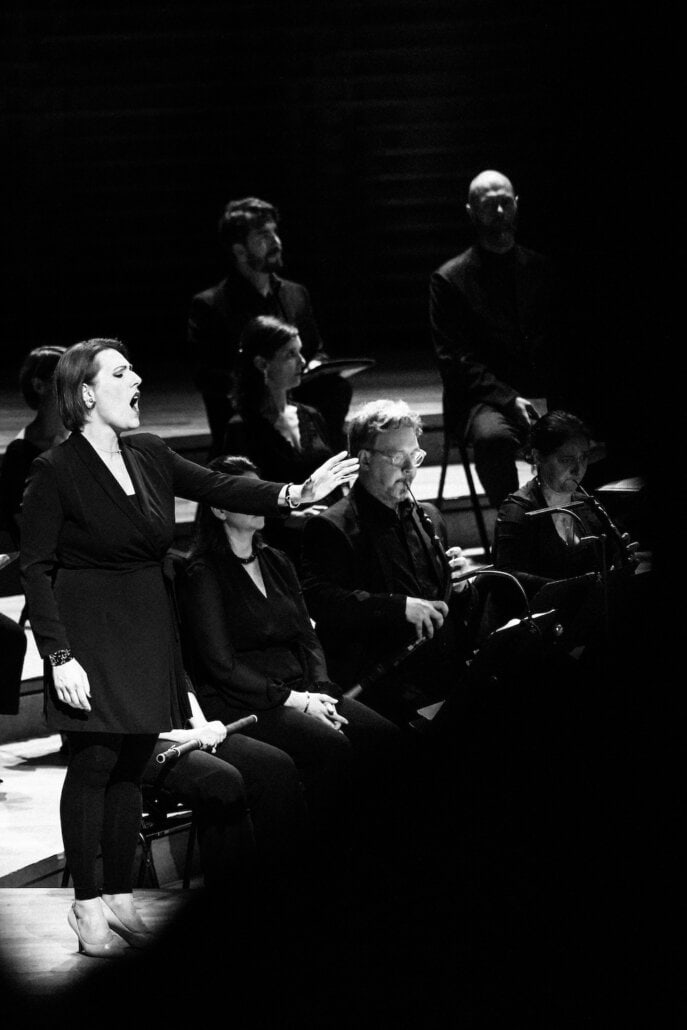
L’Ich will dir mein Herze schenken di Julie Roset è stato pervaso da un’innocenza fanciullesca, esaltata dal duetto danzante dei due oboi. Il suo Aus Liebe, sostenuto dalla linea flebile del flauto, ha commosso profondamente, come se, nella sua maturità, l’interprete avesse colto in pieno l’enormità del sacrificio compiuto da colui a cui aveva donato il cuore. In precedenza, lei e Lucile Richardot erano state perfette compagne in So ist mein Jesus nun gefangen, con il doppio coro a intervenire con urgenza tagliente mentre Gesù viene condotto via. L’Erbarme dich di Richardot aveva tutto: un timbro ricco, color cioccolato in ogni registro, intonazione perfetta e un gradito, misurato uso del vibrato. Tutto, tranne il coinvolgimento: un esercizio di artigianato perfetto ma che è rimasto, nondimeno, leggermente distante e poco partecipe. Nell’altra grande aria per contralto, Können Tränen meiner Wangen, il controtenore Paul Bénos-Djian ha invece offerto un canto insieme bellissimo e totalmente coinvolto.
Il coro di Pygmalion si è mostrato grave commentatore nei corali, con tempi mai trascinati e cadenze collocate con cura. Come attore del dramma, il loro Sind Blitze, sind Donner in Wolken verschwunden ha mostrato reale mordente. Nonostante l’acustica riverberante della cappella, le parole, come quelle dei solisti, sono risultate perfettamente intellegibili per l’intera durata dell’esecuzione.
L’opera culmina nel coro finale Wir setzen uns mit Tränen nieder, la cui strabiliante bellezza lascia senza fiato per quante volte lo si sia già ascoltato. Ancora una volta gli staccati misurati dell’orchestra hanno conferito dignità senza appesantire. L’insieme ha cantato con tutta l’anima mentre le frasi si distendevano, per poi lasciar cadere un pianissimo delicato nell’augurio di riposo a Cristo — e, insieme, a se stessi e a noi.
Fiona Hook
Original in English
Of the many remarkable performances of Bach’s St Matthew Passion heard in the arc of a critic’s life, that given in Versailles’ ornate Chapelle Royale by Raphaël Pichon with his own Pygmalion ensemble has to be among the best.
Pichon first conducted this piece in 2016, and has since made an award-winning recording. This is part of a European tour, yet there’s no hint of jadedness, rather a performance matured like fine wine, with the same range of colours and nuances. Pichon slips into the work like a silken robe. From the opening Kommt ihr Töchter Helft mir klagen, with its cleanly articulated triplets, accented on the first note and lightly staccato on the following two, serious without being weighty, it’s very much a human drama. The choirs swap portentiousness for agility and closeness, their voices interweaving to form a lament that sounds both rapturous and earthy.
The choice of Evangelist is, of course, central to the work. In Julian Prégardien, Pichon has a narrator of almost childlike innocence. His musical presence and ability to transmute recitative into actual speech turn the story of suffering into an ocean of shifting emotions, an inner monologue about guilt, consolation and the possibility of redemption. He constantly made eye contact with Stéphane Degout’s Christus, the expression of an instinctive understanding.
As the story’s 25 scenes unrolled, there were many lovely moments. Degout brought adrenalin and a darkly shining mahogany baritone to a speedy and dancing Mache dich mein Herze rein, balanced by gravitas and power in Komm süsses Kreuz, a dignified duet with viola da gambist Garance Boizot.
Ilia Mazurov’s Judas, never an easy role to play, brought an entirely appropriate faint creepiness to his recitative, off set by a beefy, masculine Gib mir meinem Jesum weider, full of genuine anger and remorse. Christian Immler presented Gerne will ich as a prayerful reflection, communing with the violins. Tenor Laurence Kilsby looked from choir to oboe soloist inviting them in as equal partners in an Ich will bei meinem Jesum wachen of simple and heartfelt sincerity. This mellifluous and expressive young tenor has enjoyed a meteoric rise, and on this showing, deservedly so.
Julie Roset’s Ich Will dir mein Herze schenken was full of childlike innocence, enhanced by the two dancing oboes. Her Aus Liebe, with its plangent flute line was deeply moving, as if, in her maturity, she realised the enormity of the sacrifice by the one to whom her heart had been given. Earlier she and Lucile Richardot had been perfect partners in So ist mein Jesus nun gefangen with the double chorus making sharply urgent interjections as Jesus is led away. Richardot’s Erbaume mich dir had everything, a rich chocolate quality throughout the register, perfect intonation and a welcome lack of vibrato. Everything, that is except commitment. A piece of perfect artistry that felt nevertheless slightly distant and uninvolved. In the other great alto aria Können Tränen meiner Wangen countertenor Paul Bénos-Djian’s singing was both beautiful and completely committed.
Pygmalion’s own choir chorus were grave commentators in the chorales, with speeds never allowed to drag and carefully placed cadences. As actors in the drama, their Sind Blitze, sind Donner in Wolken verschwunden had real bite. Despite the chapel’s reverberant acoustic their words, as with those of the soloists were perfectly audible throughout.
The work culminates in the final chorus Wir setzen uns mit Tränen nieder, whose staggering loveliness knocks you for six however many times you hear it. Once again the orchestra’s judicious staccati gave this dignity without heaviness. The ensemble sang their hearts out as the phrases swept along, dropping a tender piano as they wished Christ rest, and looked forward to their own, and ours.
Fiona Hook

La locandina
| Direttore | Raphaël Pichon |
| Personaggi e interpreti: | |
| Evangelista | Julian Prégardien |
| Gesù e Basso 1 | Stéphane Degout |
| Soprano 1 e Uxor Pilati | Julie Roset |
| Soprano 2 e Ancilla I | Maïlys de Villoutreys |
| Alto 1 | Lucile Richardot |
| Alto 2 e Testis I | Paul-Antoine Bénos-Djian |
| Tenore 1 | Laurence Kilsby |
| Tenore 2 e Testis II | Zachary Wilder |
| Pilatus, Caifa e Basso 2 | Christian Immler |
| Giuda | Ilia Mazurov |
| Petrus e Pontifex I | Paul-Emile Burgevin |
| Pontifex II | Geoffroy Buffière |
| Ancilla II | Armelle Cardot |
| Coro e Orchestra Pygmalion | |
| Maestro del coro | Richard Wilberforce |
| Coro di voci bianche dell’Orchestre de Paris | |
 Ph. Marco-Silsvestri
 Ph. PBZ
 Ph. Eugenia Cesari
 Ph. Wikipedia - Fair use

Lascia un Commento
Vuoi partecipare alla discussione?Sentitevi liberi di contribuire!